
The right steampunk leather mask is the one that matches both your character and the way you will actually wear it. For a long convention or festival, fit, airflow, and weight matter more than dramatic hardware; for photos, Halloween, or display, you can lean into a bolder shape. Start by choosing the coverage, then check measurements, visibility, breathing space, and whether the details fit the rest of your outfit.
What makes a leather mask steampunk
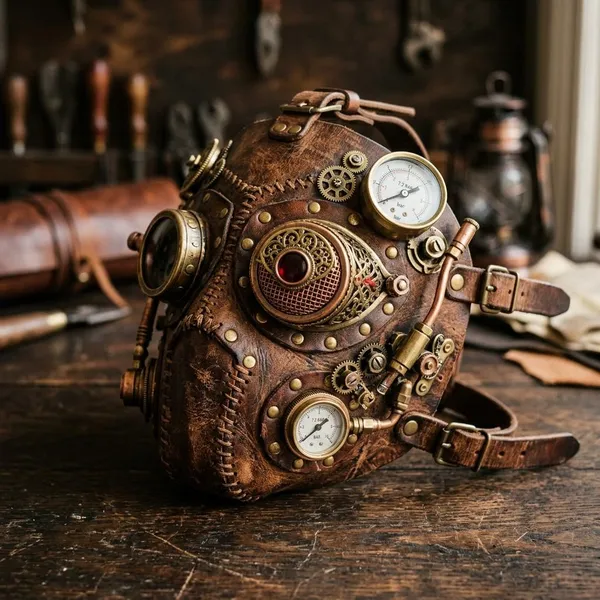
A leather mask feels steampunk when it looks like part of an invented Victorian-industrial world, not just a costume accessory with gears glued on. The strongest designs usually combine an old-world shape, aged materials, metal details, and a clear character idea.
- Shape first: the silhouette should suggest Victorian, Edwardian, masquerade, medical, aviation, or workshop influence.
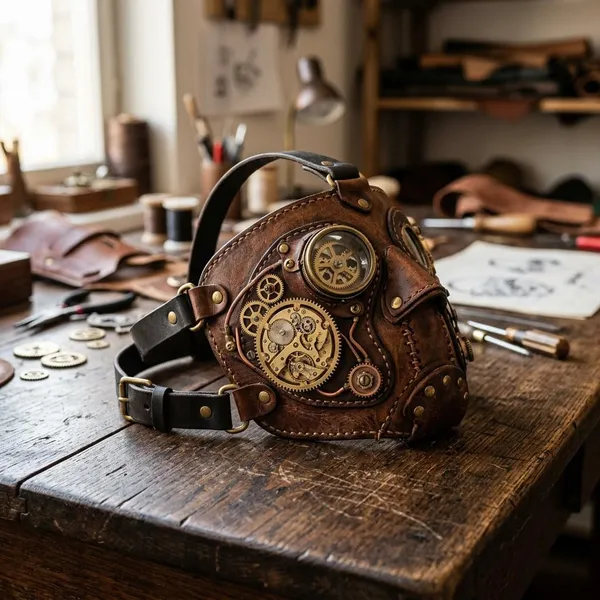
- Finish second: distressed leather, darker edges, and antique-toned metal usually feel more convincing than a flat glossy surface.
- Hardware last: rivets, goggles, vents, and gears work best when they support the character, not when they crowd the mask.
Victorian-inspired shapes and details
Curved eye lines, pointed nose bridges, scalloped edges, stitched borders, and balanced symmetry can make even a simple half mask feel period-inspired. These details pair especially well with waistcoats, corsets, lace gloves, long coats, and formal steampunk outfits.
Aged leather and metallic hardware
Brown, tan, black, oxblood, and dark bronze leather tones all work well because they suggest age and use. Antique brass or gunmetal hardware can add structure without making the mask look too modern.
Gears rivets goggles and mechanical accents
Mechanical accents should look intentional. Goggles can suggest a pilot or engineer, vents can make a full-face design feel more functional, and rivets can visually reinforce seams. Random gear clusters on every surface usually weaken the look.
- Good sign: hardware follows the shape of the mask or supports the character role.
- Warning sign: large pieces stick out where they may catch on hats, hair, collars, or backpacks.
- For long wear: avoid heavy front-loaded goggles unless the strap system is strong enough to balance them.
Industrial styling with a clear character theme
A clear theme makes the whole costume easier to build. A plague doctor mask points toward an alchemist, doctor, or darker Halloween character. A goggle mask suits a pilot, mechanic, or explorer. A slim masquerade mask with metallic trim fits a ballroom or aristocratic look.
Main types of steampunk leather masks
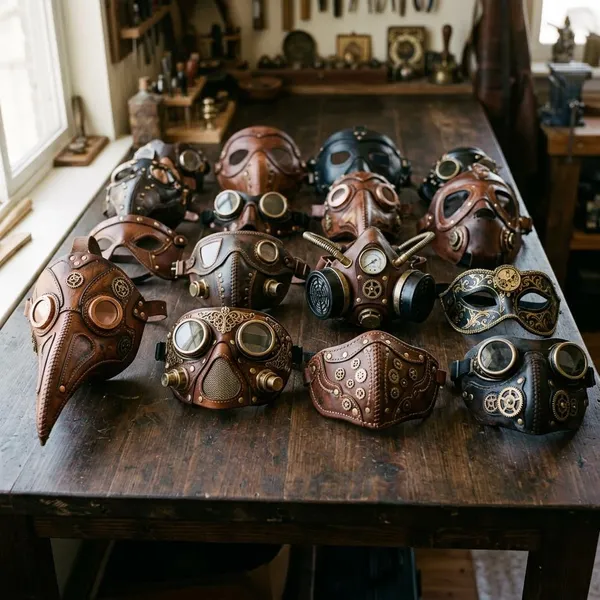
Different mask types solve different problems. A mask for walking around a summer festival should not be judged the same way as a mask meant for a five-minute photoshoot. Coverage, heat, visibility, and storage become more important as wear time increases.
| Mask type | Best when you need | Watch out for |
|---|---|---|
| Half mask | Comfort, talking, easy movement | Less dramatic impact |
| Full-face mask | Strong transformation | Heat, weight, limited speech |
| Plague doctor mask | Dark drama and instant recognition | Long beak in crowds or tight spaces |
| Goggle mask | Industrial pilot or engineer styling | Fogging, tinted lenses, side vision |
| Masquerade mask | Formal events and elegant costumes | Less rugged or mechanical presence |
How to choose the right mask
Choose in this order: event, fit, visibility, breathing room, weight, then decoration. Most bad purchases happen because the mask looks impressive online but is too hot, too narrow, too heavy, or hard to see through in real use.
- Decide the wear time. A two-hour party allows more drama than an all-day convention.
- Measure your face. Compare eye width, nose bridge, face width, and strap range where the seller provides them.
- Check sight lines. Eye openings or lenses should not make stairs, crowds, or low light risky.
- Check airflow. Full-face and beak designs need enough space around the nose and mouth.
- Match the outfit. The mask should look like it belongs with your hat, gloves, belts, boots, and props.
Match the coverage to the event
For a long, social event, lighter coverage usually wins. A half mask or open goggle style lets you talk, drink water, cool down, and move through crowds more easily.
For a photoshoot, costume contest, haunted event, or short entrance, heavier coverage can be worth the discomfort because the visual payoff is higher. A practical trick is to bring a dramatic mask for photos and a lighter backup for the rest of the day.
Check the face measurements and strap range
A mask that is too wide may wobble or slide; one that is too narrow can press into the temples or cheeks. If the mask is molded or made from stiff leather, strap adjustment will not fix a poor base shape.
- Eye spacing: the openings should sit naturally in front of your eyes.
- Nose bridge: avoid sharp pressure where the mask rests most heavily.
- Straps: buckles often look more authentic, while elastic is simpler but may stretch over time.
Test visibility and breathing space
Do not treat visibility as a minor detail. If you will be walking through crowds, using stairs, or wearing the mask at night, you need clear forward vision and enough side awareness to move safely.
Compare weight and wearing comfort
Weight shows up fast on the nose bridge, cheekbones, and back of the head. Thick leather, metal goggles, chains, filters, and layered panels may look premium but can feel tiring after half an hour if the straps do not distribute pressure well.
Look for smooth inner surfaces, finished edges, and reviews that mention actual wear time. A beautiful mask that you remove after ten minutes is closer to a prop than a usable costume piece.
Choose details that suit the full outfit
Details should connect the mask to the rest of the costume. Brass hardware works naturally with warm brown leather, antique buckles, and vintage props. Black leather with silver or gunmetal creates a colder, more mechanical feel.
Best masks for different uses
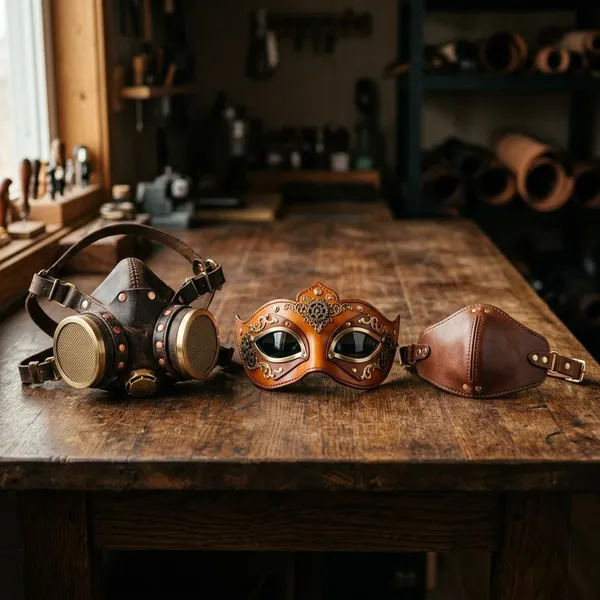
The best choice changes with the situation. Someone wearing a mask once for Halloween can accept more bulk than someone spending a full day at a crowded convention. A collector may care more about finish and hardware than airflow, while a cosplayer may need a stable fit that survives movement and posing.
Lightweight half masks for conventions
For conventions, choose a lightweight half mask with soft edges, secure straps, and low-profile decorations. You will likely be talking, eating, waiting in lines, and moving through narrow spaces, so comfort beats maximum drama.
Full-face designs for photoshoots
Full-face masks are strongest when the camera is the priority. Layered leather, vents, cheek panels, and integrated lenses create shadows and texture that look good under controlled lighting.
Because photoshoots allow breaks, you can choose a heavier mask than you would wear all day. Still, test it before the shoot so the eye line, straps, and breathing space do not interrupt every pose.
Plague doctor masks for Halloween
A plague doctor mask is a strong Halloween choice because it creates atmosphere quickly with only a few supporting pieces: dark coat, gloves, boots, belt, and a small prop bag or bottle set.
For walking outdoors at night, avoid designs with tiny eye openings or very dark lenses. The mask should look dramatic without making curbs, steps, or crowds harder to judge.
Decorative masks for display
For display, comfort matters less than craftsmanship. Rich dye variation, embossing, clean stitching, balanced hardware, and a strong silhouette will stand out on a wall, shelf, or mannequin head.
- Best display signs: finished edges, secure rivets, even shaping, and metal that does not look loosely attached.
- Be cautious: some display masks are technically wearable but too stiff, heavy, or enclosed for real events.
Custom masks for character-specific costumes
Custom work makes sense when the mask has to match a specific character, unusual color palette, face shape, or set of accessories. It can also solve fit problems if standard masks tend to sit too high, pinch, or shift on your face.
Expect more cost and lead time, but also more control over leather color, metal finish, goggles, vents, straps, and proportions. For serious cosplay, that control can make the whole costume feel less generic.
How to style a steampunk leather mask
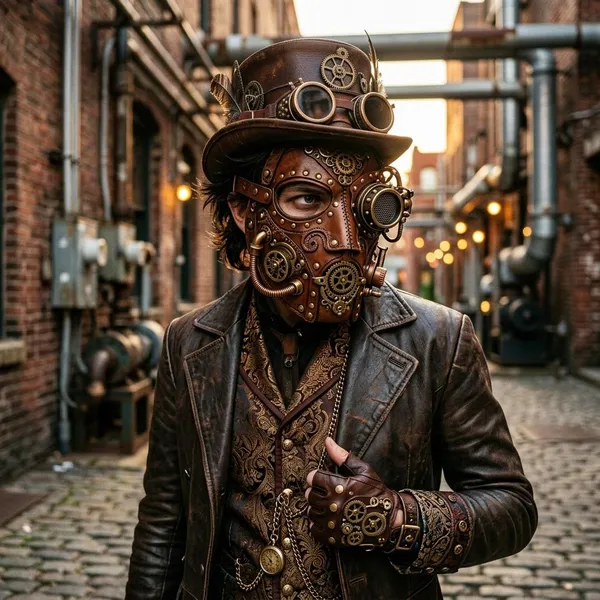
A mask looks better when the outfit repeats its main ideas instead of competing with them. Pick one character concept, repeat a few materials or finishes, and keep the area around a very detailed mask controlled.
Think of the mask as the anchor. The hat, gloves, belts, boots, jewelry, and props should make the same character clearer, not add five unrelated steampunk themes at once.
Pair it with goggles or a structured hat
Goggles reinforce the industrial side of steampunk and can be worn on the forehead, around the neck, or integrated into the mask. A structured hat, such as a top hat, military cap, or small fascinator, can frame the face and give the costume height.
Match the metal finishes across accessories
Choose one dominant metal tone and repeat it. Brass, bronze, and antique gold feel warmer and more vintage; silver and gunmetal feel cooler and more mechanical.
Mixed metals can work, but they should look deliberate. If the mask has brass rivets, random bright silver buckles on every belt may make the outfit feel pieced together.
Repeat the leather color in belts or gloves
A brown mask looks more finished when the gloves, belt, boots, bracers, or pouches sit in a similar leather family. The colors do not need to match perfectly, especially with distressed leather, but they should not feel accidental.
Keep the clothing simpler around a detailed mask
When the mask already has goggles, vents, rivets, layered leather, or a beak, let clothing shapes do more work than extra decoration. A fitted vest, long coat, structured dress, or clean shirt can give the face piece room to stand out.
Use one clear character concept
Pick a role before adding accessories: pilot, doctor, noble, engineer, explorer, hunter, or alchemist. Once that choice is made, every detail becomes easier to judge.
- Pilot: goggles, gloves, maps, scarf, fitted jacket.
- Doctor or alchemist: plague shape, bottles, satchel, darker coat.
- Noble: masquerade shape, cane, jewelry, polished boots.
- Mechanic: utility belts, bracers, tools, tougher leather finishes.
Conclusion
A good mask is not simply the most dramatic one on the page; it is the one you can wear, style, and use without fighting it. For long events, choose comfort, airflow, and stable straps first; for photos or display, stronger shapes and heavier details make more sense. If the mask fits your face, suits the event, and clearly supports one character idea, the whole costume will look more convincing with less effort.
FAQ
Are steampunk leather masks comfortable for long events?
They can be, but half masks are usually the safest bet for long wear. If the event is crowded, warm, or social, prioritize low weight, open breathing space, and straps that do not pull sharply behind the head.
How do you clean a leather costume mask?
Wipe it gently with a soft, slightly damp cloth and let it air dry away from heat. For real leather, use only leather-safe conditioner when needed; avoid soaking, harsh cleaners, and direct sunlight.
Can you make a steampunk mask at home?
Yes, especially if you start by modifying a simple base mask. Faux leather, paint, rivets, buckles, and lightweight hardware are easier for beginners than shaping thick leather from scratch.
Are steampunk leather masks comfortable for long events?
They can be, but half masks are usually the safest bet for long wear. If the event is crowded, warm, or social, prioritize low weight, open breathing space, and straps that do not pull sharply behind the head.
How do you clean a leather costume mask?
Wipe it gently with a soft, slightly damp cloth and let it air dry away from heat. For real leather, use only leather-safe conditioner when needed; avoid soaking, harsh cleaners, and direct sunlight.
Can you make a steampunk mask at home?
Yes, especially if you start by modifying a simple base mask. Faux leather, paint, rivets, buckles, and lightweight hardware are easier for beginners than shaping thick leather from scratch.